
The Allure of Gambling: Why People Are Drawn to Casinos
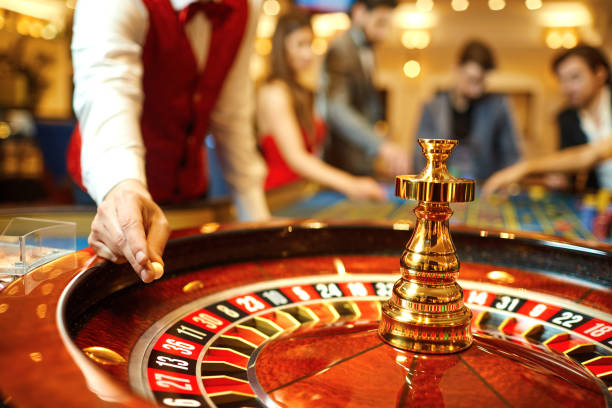
The excitement of gambling captivates millions worldwide. The chance to win big, coupled with the thrill of risk-taking, creates an electrifying atmosphere that few can resist. Casinos are designed to amplify these feelings, with vibrant lights, engaging sounds, and enticing displays that stimulate the senses. This carefully constructed environment fosters a sense of euphoria, making it easy for individuals to lose themselves in the experience. As players explore the new betting sites , their anticipation heightens, creating a temporary escape from reality.
Psychologically, the allure of gambling can often be tied to the concept of reward and reinforcement. When a player wins, the brain releases dopamine, a neurotransmitter associated with pleasure. This chemical reaction can lead to a cycle of excitement and expectation, encouraging more play in the hopes of achieving that euphoric feeling again. Such reinforcement builds a connection between the behavior of gambling and the feelings of joy associated with winning, which can drive individuals to return to casinos repeatedly, despite the risks of loss.
Moreover, social dynamics in casinos enhance the gambling experience. People often gamble in groups, sharing their experiences and emotions, which can amplify the thrill of the game. The communal aspect of celebrating wins or commiserating losses creates a sense of belonging among players. This social engagement, combined with the enticing allure of money and prestige, forms a powerful motivator for individuals, making the casino an appealing destination for entertainment and socialization.
The Role of Environment in Influencing Gambling Behavior
The architecture and design of a casino play a crucial role in shaping gambling behavior. Casino operators strategically utilize layout, lighting, and sound to create an immersive and stimulating atmosphere. For instance, the placement of games encourages players to explore different areas, often leading them to spend more time and money than initially intended. The lack of windows and clocks further disorients individuals, making it harder for them to keep track of time and their gambling habits.
Sensory experiences within a casino also contribute to a gambler’s psychology. The sounds of slot machines jingling and people cheering can create a lively and energetic environment, fostering a feeling of excitement. This auditory stimulation combined with bright, colorful visuals can heighten emotions, encouraging longer play sessions. Furthermore, casinos often offer complimentary drinks or snacks, which can lower inhibitions and lead to more reckless gambling behavior. All these elements are intentionally designed to keep players engaged and spending.

Additionally, the concept of “near misses” can significantly affect gambling behavior. When players almost win but ultimately lose, it creates a powerful psychological impact. Research shows that this can lead to increased playtime as gamblers believe they are close to winning. This phenomenon feeds into the gamblers’ irrational belief that persistence will eventually result in success, which casinos, understanding these psychological triggers, exploit to maximize player engagement and profit.
The Psychology of Risk-Taking: Why Some Players Gamble More
The psychology of risk-taking plays a pivotal role in understanding gambling behavior. Many individuals are drawn to the thrill of uncertainty, where the stakes can lead to substantial rewards. This type of risk-taking can be linked to personality traits, such as sensation-seeking, where individuals actively pursue exciting and novel experiences. These thrill-seekers often find the casino environment invigorating, as it offers an immediate opportunity for excitement and potential financial gain.
However, not all gamblers approach risk in the same way. Some thrive on uncertainty and view gambling as an entertaining challenge, while others may feel vulnerable and overwhelmed. This variance in risk perception affects how individuals engage with gambling. For some, losses might deter further play, while others may chase losses, convinced that a win is just around the corner. Understanding these psychological factors is crucial for both players and casinos, as they highlight the complexities of the gambling experience.
Moreover, the perception of control can significantly influence a gambler’s behavior. Many players overestimate their ability to influence outcomes through strategies or skills, a phenomenon known as the illusion of control. This can lead them to gamble more aggressively, believing that they can manipulate their chances of winning. Casinos capitalize on this belief by showcasing games that appear skill-based, which further entices players to engage, sometimes leading to detrimental financial consequences as they fail to recognize the inherent randomness of gambling.
The Impact of Addiction and Compulsive Gambling Behaviors
Gambling addiction is a serious issue that affects countless individuals and families. The thrill of gambling can lead to compulsive behavior, where individuals prioritize gambling over essential life activities. This compulsive gambling often stems from the same psychological factors that attract players to casinos in the first place: the rush of winning, social engagement, and the lure of financial gain. Unfortunately, many gamblers fail to recognize their addiction until significant damage has occurred, both emotionally and financially.
The development of a gambling disorder can be gradual and insidious. Initially, individuals may find themselves winning and enjoying the experience. However, as losses begin to accumulate, they may resort to increasingly risky behaviors to recover lost funds, often leading to a downward spiral. This behavior can result in significant financial strain, relationship issues, and emotional distress, highlighting the need for awareness and intervention for problematic gamblers.
Furthermore, the stigma surrounding gambling addiction can prevent individuals from seeking help. Many suffer in silence, fearing judgment from peers and family members. Education and support systems are crucial in addressing this issue and promoting responsible gambling practices. Awareness campaigns encourage individuals to recognize the signs of gambling addiction and seek help, whether through professional treatment or support groups. Empowering individuals with knowledge can lessen the stigma and foster a healthier relationship with gambling.
Understanding Responsible Gambling and Resources for Help
Responsible gambling is an essential aspect of healthy gaming behavior. Awareness of one’s limits and understanding the potential risks can help individuals enjoy gambling without falling into addiction. Many casinos and gaming organizations promote responsible gambling initiatives, providing resources and tools to educate players about responsible practices. These may include self-exclusion programs, betting limits, and information about the risks associated with gambling.
Additionally, numerous organizations offer support for individuals struggling with gambling addiction. Support groups provide a safe space for individuals to share their experiences and seek guidance. Educational resources can help gamblers understand their behavior patterns and the psychological triggers that lead to compulsive gambling. Such accessibility to help and information empowers players to make informed decisions and develop healthier gambling habits.
Overall, fostering a culture of responsible gambling is vital for the industry. By prioritizing player welfare, casinos can create a more sustainable environment that respects the psychological complexities of gambling. Encouraging open discussions about gambling behavior, risks, and resources for help can significantly contribute to a healthier approach to gaming, benefiting both players and the industry as a whole.